Content and links matter, but a site that search engines cannot crawl, render, or understand will not rank no matter how good the writing is. This checklist covers the technical foundations we review first on every site, with the fixes that tend to matter most.
1. Crawlability and indexing
- Confirm
robots.txtdoes not block pages, images, or scripts you want indexed. - Submit an XML sitemap that lists only canonical, indexable URLs that return a 200 status.
- Check Search Console for pages marked "Discovered, currently not indexed" and find out why.
2. One URL per page
Set a self-referencing canonical tag on every page. Redirect the non-preferred host (for example www to the bare domain, or the reverse) with a single 301, and make sure internal links point at the final URL rather than at redirecting ones. Redirect chains waste crawl budget and dilute signals.
3. Titles, descriptions, and headings
- Write a unique title for every page, ideally under about 60 characters, with the main topic first.
- Avoid repeating the brand name twice, which happens often when a template appends it automatically.
- Use exactly one H1 per page and a logical H2 and H3 structure beneath it.
4. Performance and Core Web Vitals
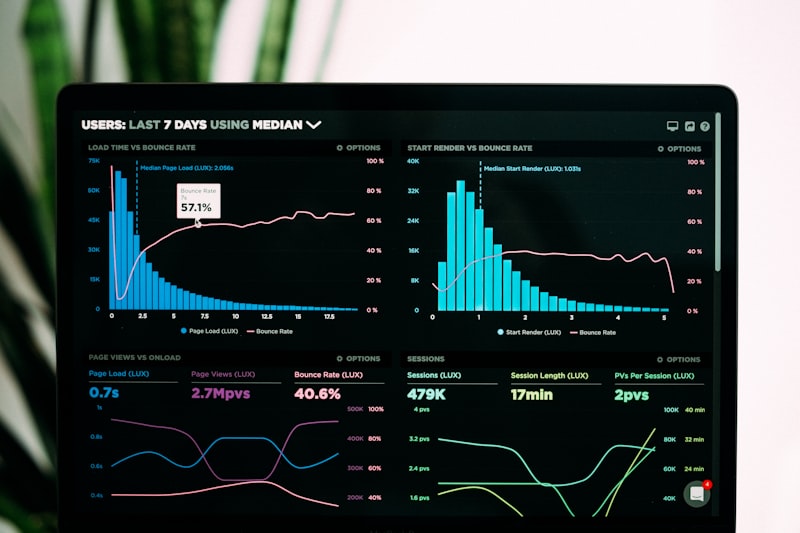
Aim for Largest Contentful Paint under 2.5 seconds, Interaction to Next Paint under 200 milliseconds, and Cumulative Layout Shift under 0.1. The usual wins are compressing and properly sizing images, serving fonts as WOFF2 and preloading only the weights used above the fold, deferring non-critical scripts, and reserving space for images and embeds.
5. Structured data
Add JSON-LD for your Organization, relevant Service or Product pages, Article for blog posts, FAQ where you have real questions and answers, and BreadcrumbList on deep pages. Validate with Google's Rich Results Test. Only mark up content that is actually visible on the page.
6. Internal linking
Every important page should be reachable within three clicks from the homepage and linked from at least a couple of relevant pages using descriptive anchor text. Pages with no internal links, known as orphans, rarely rank. Link blog posts to the service pages they support, and link service pages back to proof such as case studies and related guides.
7. Mobile and security basics
Serve the full site over HTTPS with a valid certificate covering every hostname you use, and confirm the mobile layout exposes the same content as desktop, since indexing is mobile-first.
Where to start
Work in order: make pages indexable, make each one a single clean URL, fix titles and headings, then improve speed and structured data. Re-crawl after each batch and watch Search Console for changes over the following weeks.
We handle this as part of our digital marketing and SEO services, and build sites with these foundations from day one through our web development team. Request a technical SEO audit to see where your site stands.
Futureaiit
AI & Technology Experts